A diesel particulate filter does not simply collect soot forever. It has to burn that soot away through a process called regeneration. On modern tractors, that cleaning may happen quietly during work—or it may require the operator to park the machine and follow a specific procedure.
Understanding the difference between passive, active, and parked regeneration can prevent unnecessary downtime and help operators respond correctly when a warning appears.
What the DPF actually does
The diesel particulate filter traps particulate matter, commonly called soot, in the exhaust. As soot accumulates, exhaust backpressure rises. Sensors and the engine control system monitor that loading.
Regeneration raises filter temperature enough to oxidize accumulated soot. The U.S. Environmental Protection Agency explains that the process converts much of the trapped particulate matter into ash, carbon dioxide, and water. The ash does not burn away, which is why a DPF may eventually require professional removal and cleaning even when regeneration works normally.
Passive regeneration
Passive regeneration happens when normal exhaust temperature is already high enough to oxidize soot without added fuel, extra heat, or driver action. A tractor working steadily under meaningful load is more likely to create the temperature needed for passive cleaning than one spending most of its time idling or doing very light work.
The operator may not notice passive regeneration at all. That is normal.
Active regeneration
If normal operation does not create enough heat, the engine management system may begin active regeneration. Depending on the tractor, it can adjust engine operation or use additional fuel and exhaust-aftertreatment controls to raise DPF temperature.
On many machines, active cleaning can occur automatically without interrupting work. John Deere describes passive and active filter cleaning on several compact-tractor models as processes that require no operator involvement and do not interrupt tractor operation.
During regeneration, exhaust components can become extremely hot. Keep dry crop material, fuel, oil, and other combustibles away from the exhaust area. Follow the fire-safety instructions in the operator’s manual.
Parked regeneration
Parked regeneration is a controlled cleaning event performed while the tractor is stationary. It may be requested when soot loading reaches a level the system cannot address during normal operation.
The exact procedure varies by machine. A typical process requires parking outdoors in a safe area, lowering implements, setting the parking brake, placing controls in neutral, and starting the regeneration through the machine’s controls. Never copy steps from a different tractor model.
Do not begin parked regeneration near a barn, dry grass, hay, spilled fuel, or people who could contact hot exhaust parts.
Why repeated interruptions cause trouble
Some machines allow regeneration to be delayed or inhibited for safety-sensitive work. That function is useful when high exhaust temperature would create a fire risk. It should not become the normal operating mode.
Repeatedly preventing or interrupting regeneration can allow soot loading to climb. Eventually the tractor may reduce power, demand a parked cleaning, or require dealer service. If a regeneration warning returns frequently, investigate the operating pattern and the machine’s condition instead of repeatedly clearing the symptom.
Operating habits that help
- Read the exact regeneration section in the operator’s manual.
- Do not ignore DPF or high-backpressure warnings.
- Avoid unnecessary extended idling when the manufacturer advises against it.
- Give the tractor appropriate loaded work when practical.
- Use the specified engine oil and fuel.
- Keep the exhaust area free of chaff, oil, and combustible debris.
- Record unusually frequent regenerations for diagnosis.
Soot and ash are not the same
Regeneration burns soot; it does not remove all ash. Ash comes mainly from noncombustible material associated with lubricating oil and fuel additives. Over time, the filter may need off-machine cleaning using approved equipment.
A tractor that requests regeneration far more often than normal may have an engine, sensor, injector, turbocharger, temperature, or duty-cycle problem. Treat frequent cleaning as diagnostic information.
The simple rule is this: let the machine complete automatic regeneration when conditions are safe, perform parked regeneration exactly as instructed, and never ignore a warning that keeps returning.
Sources
- U.S. EPA: Diesel Particulate Filter Operation and Maintenance
- John Deere: passive, active, and parked filter cleaning overview
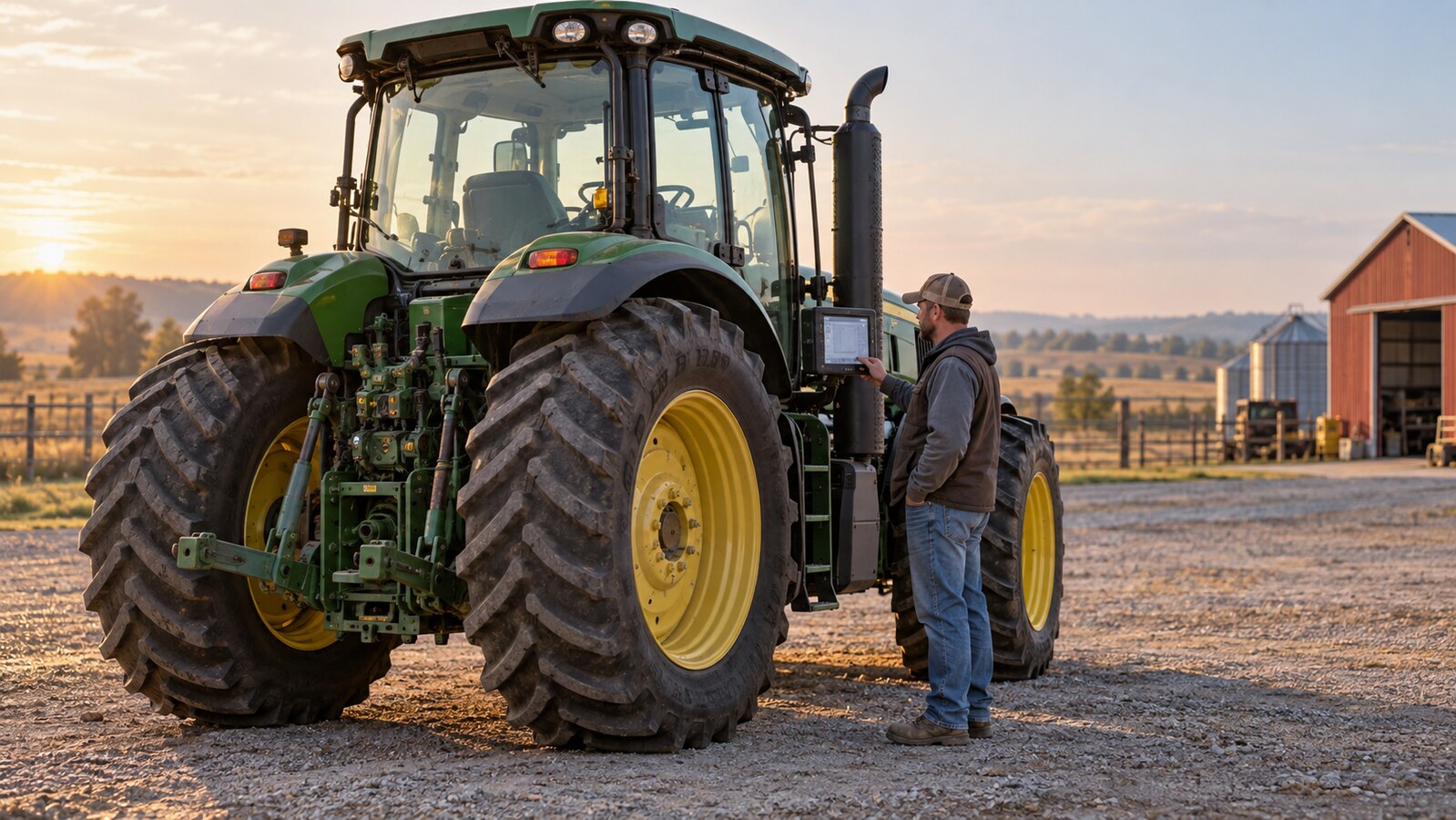
Featured image source: Original AI-generated editorial image created exclusively for MechanicCarWorld, September 22, 2026.